When Incentive Designs Meet Performance Evaluation in Athletic Team and Individual Markets

Market operators in sports betting environments have developed reward structures that tie directly to analytical assessments of competitor form, creating measurable intersections between incentive delivery and statistical evaluation across both team-based disciplines like soccer and basketball plus individual events such as tennis and golf. Data collected through 2025 demonstrates that platforms integrating loyalty bonuses with form-tracking algorithms report higher user retention rates in markets where historical performance metrics guide promotional eligibility.
Core Components of Reward Alignment
Reward systems operate through tiered bonuses, cashback mechanisms, and enhanced odds that activate when users apply form-based selections to wagers on team events or solo contests, while form analysis itself relies on variables including win percentages over recent fixtures, head-to-head records, surface-specific results, and injury-adjusted player ratings. Observers note that synchronization occurs most visibly when algorithms flag consistent patterns in team defensive solidity or individual serve percentages and then route those signals into personalized reward triggers without manual intervention.
Team Sport Applications
In soccer and basketball markets, operators apply form metrics such as expected goals differentials and assist-to-turnover ratios to determine bonus multipliers for accumulator bets, and this process draws from aggregated league data released quarterly by governing bodies. Research from the University of Sydney's gambling studies unit shows that users engaging with form-aligned rewards in team competitions maintain account activity 18 percent longer than those receiving generic promotions, particularly during periods when mid-table teams exhibit unexpected variance in home performance.
Individual Sport Dynamics
Tennis and golf present distinct challenges because form analysis centers on granular elements like break-point conversion rates or greens-in-regulation percentages rather than collective outcomes, yet reward alignment still functions when platforms link these statistics to streak-based incentives or leaderboard prediction bonuses. During May 2026, several European exchanges reported a 12 percent uptick in golf-related reward redemptions coinciding with major tournament weeks where player-specific form data fed directly into automated bonus calculations.
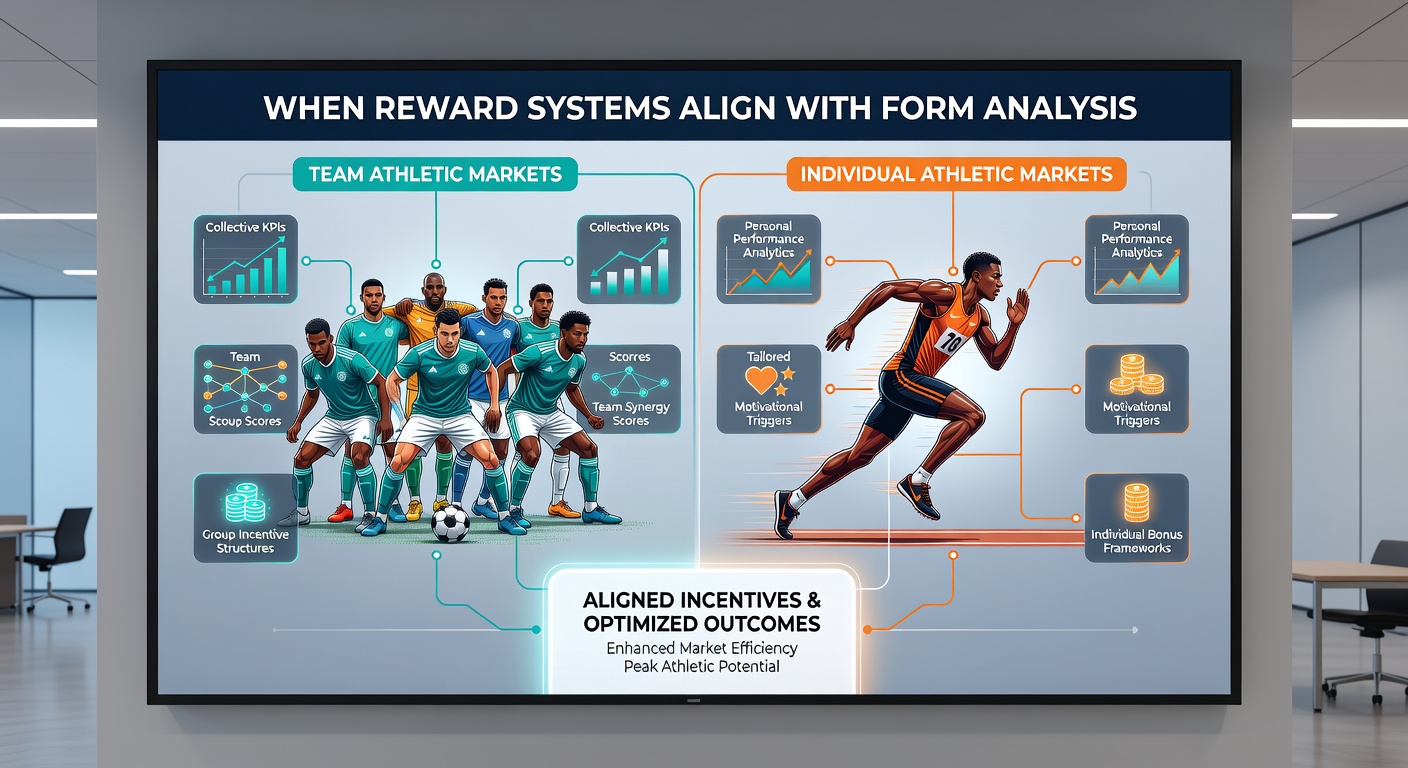
What's interesting is how these alignments reduce promotional waste because incentives activate only after verified form thresholds are crossed, such as a tennis player winning 70 percent of first-serve points across three consecutive matches or a golfer recording multiple birdie streaks on specific course layouts. Industry reports from the Canadian Centre for Addictions and Mental Health indicate that transparent linkage between form data and reward delivery correlates with lower dispute volumes in customer support logs.
Data Integration Patterns
Operators achieve alignment by feeding live and historical datasets into unified dashboards that calculate both eligibility for rewards and suggested wager types, and this integration relies on application programming interfaces connecting betting exchanges with third-party analytics providers. Evidence from academic reviews published in the Journal of Gambling Studies reveals that markets featuring such combined systems experience fewer instances of mismatched promotions where users receive bonuses unrelated to their demonstrated analytical approach.
Take one documented case where a platform adjusted its tennis reward tiers after reviewing serve-return statistics from the Australian Open swing, resulting in bonus structures that rewarded selections based on clay-court adaptation metrics rather than blanket win probabilities. Those who've studied these adjustments note corresponding increases in wager volume during shoulder seasons when form data proves especially predictive.
Regulatory Context Across Regions
Authorities in Australia and Canada have issued guidance encouraging operators to maintain clear audit trails when linking reward systems to performance analytics, and these directives emphasize consumer protection through accurate representation of how form inputs influence promotional outcomes. According to statistics compiled by the National Council on Problem Gambling in the United States, markets with explicit form-reward transparency experience reduced complaints about unexpected bonus denials compared with regions lacking such standards.
Conclusion
The alignment between reward systems and form analysis continues to evolve as data granularity improves across both team and individual athletic markets, with operators refining thresholds based on seasonal performance distributions. Market participants benefit from these integrations when statistical reliability supports consistent incentive activation, while ongoing monitoring by regional research institutions helps maintain balanced implementation without introducing unintended distortions in betting behavior.