Weather Data Transforms Strategic Decisions on Golf Courses and Racing Circuits Throughout Peak Competitive Periods
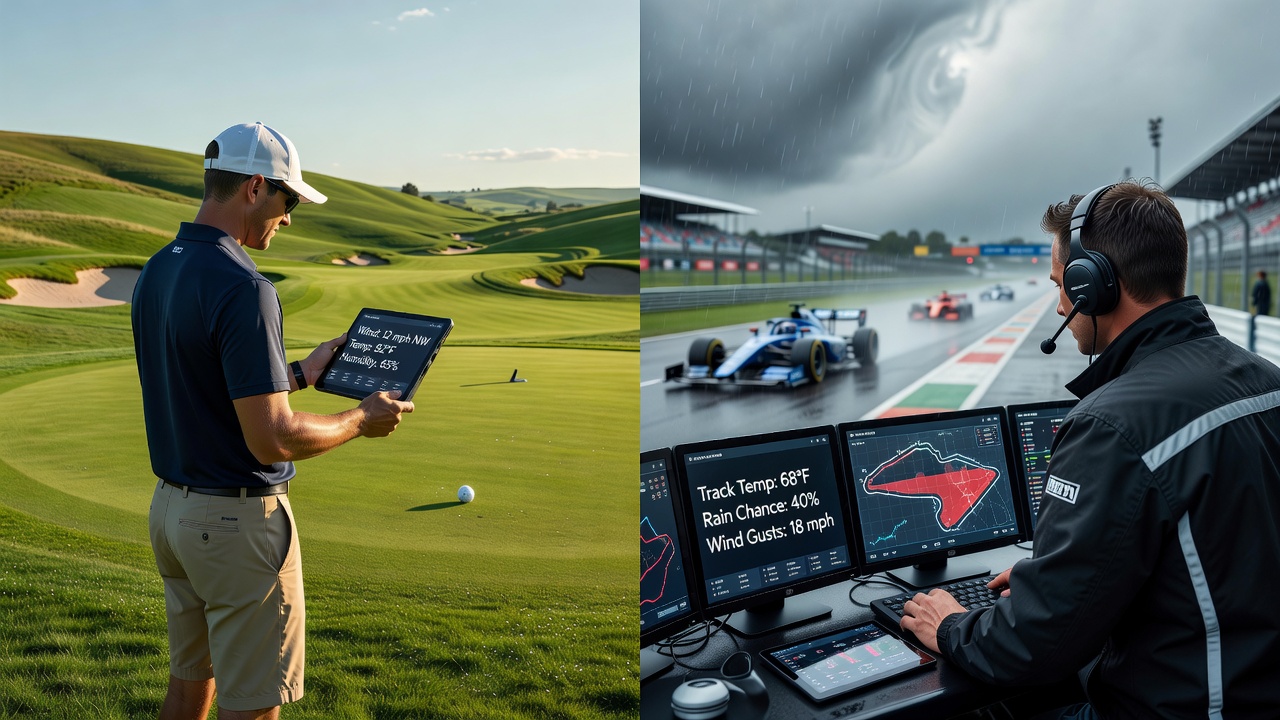
Weather monitoring systems now feed real-time information directly into selection processes for both golf tournaments and thoroughbred racing events during the busiest months of the year, and data streams from satellites alongside ground sensors allow course managers and race officials to adjust layouts, turf preparations, and safety protocols well before competitions begin. June 2026 brings several major events across multiple continents where these adjustments become especially visible because summer heat combined with variable precipitation patterns creates rapid changes in playing surfaces.
Golf Course Adaptations Driven by Forecast Models
Course superintendents rely on hyper-local weather predictions to decide pin placements, tee box rotations, and irrigation schedules, while advanced algorithms process wind speed, humidity levels, and soil moisture readings to forecast how balls will roll on specific greens. Researchers at institutions such as the University of Florida have documented how even small shifts in dew point can alter green speeds by measurable margins, prompting officials to reposition flags or soften approaches hours before players arrive. Data collected during early summer tournaments shows that courses using integrated weather platforms reduce unexpected delays by integrating alerts from regional meteorological networks.
Those managing links-style layouts face additional variables because coastal winds fluctuate more sharply than inland conditions, and analysts cross-reference buoy readings with on-site anemometers to predict carry distances for long irons. One study released by the National Oceanic and Atmospheric Administration highlights how such layered data sets help agronomy teams maintain consistent playing conditions even when afternoon thunderstorms threaten to soften fairways.
Racing Track Preparations and Surface Management
Racing authorities apply similar data streams when determining track ratings and rail placements, since moisture content directly influences footing for horses and safety margins for jockeys. Sensors embedded beneath the turf at major venues capture subsurface temperature and drainage rates, then feed those figures into models that predict how much rain will alter going descriptions within a two-hour window. Officials in Australia and North America have adopted these tools during their respective peak seasons, allowing them to move starting barriers or water sections of the circuit before fields assemble.
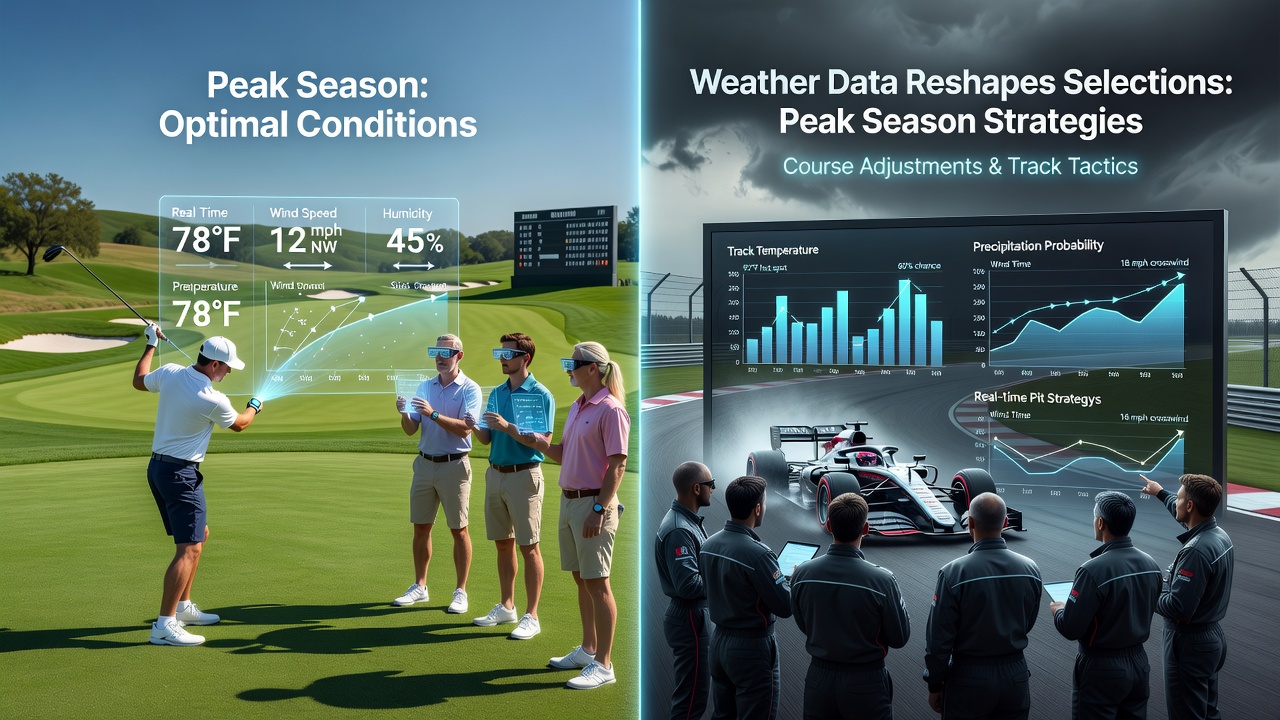
June schedules often coincide with festivals that draw large fields, and forecasters combine radar imagery with historical rainfall statistics to issue updated reports several times daily. When humidity rises quickly, teams responsible for track maintenance can pre-emptively aerate or roll sections to prevent deep divots, a practice that has become standard at venues using automated alert systems. Evidence from multiple circuits indicates that these interventions shorten the time between races while preserving consistent surface conditions across an entire card.
Integration of Multiple Data Sources
Modern platforms merge satellite observations, ground stations, and even drone imagery to create unified dashboards that both golf and racing professionals consult before finalizing selections. Wind vectors at different altitudes matter for golf shot planning, whereas soil temperature gradients affect how quickly a racing surface recovers after showers. Teams that combine these inputs report fewer last-minute changes because they can simulate outcomes across a range of possible weather scenarios hours ahead of post time or first tee.
International governing bodies have begun sharing standardized data formats, which enables cross-border events to operate under consistent guidelines. A joint report from the European Centre for Medium-Range Weather Forecasts and several national racing authorities demonstrates that standardized inputs improve accuracy of surface condition forecasts by measurable percentages during high-traffic periods.
Peak Season Implications for June 2026
As calendars fill with overlapping tournaments and race meetings in June 2026, demand for precise weather intelligence grows because any delay or alteration ripples through broadcast schedules and participant logistics. Organizers who maintain continuous feeds from multiple providers can publish revised course maps or updated track ratings earlier, giving participants and support crews time to adapt equipment and strategies. Observers note that venues investing in these systems experience smoother operations even when sudden fronts arrive during the busiest weekends.
Conclusion
Weather data has become an operational cornerstone for both golf courses and racing tracks, supplying the information needed to refine selections and maintain standards throughout peak periods. Continued refinement of sensor networks and modeling techniques supports consistent conditions across events scheduled for June 2026 and beyond, while collaborative data sharing among international organizations strengthens the reliability of forecasts used by decision-makers worldwide.