Synchronizing Equine Finishes with Racket Sport Swings in Layered Multi-Market Builds
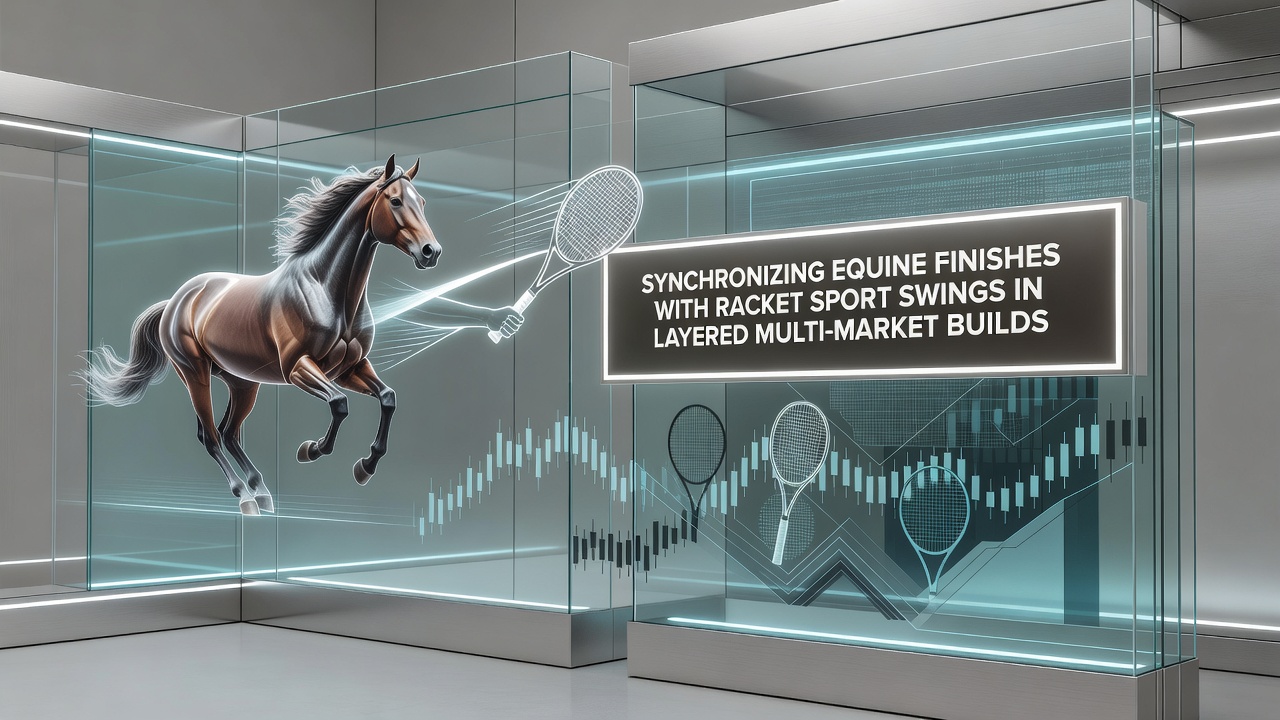
Market builders in the betting sector have developed approaches that align horse racing outcomes with tennis match dynamics through structured multi-market accumulators, and these methods rely on timing equine finishes alongside racket sport swings to create combined selections. Data from industry reports shows participants often construct these layers by selecting specific race distances and court surfaces where statistical correlations emerge between late surges in both sports.
Understanding the Core Mechanics of Synchronization
Equine finishes involve final stretches where horses accelerate or hold positions, while racket sport swings refer to critical points in tennis rallies or similar sequences in squash and badminton. Observers note that synchronization occurs when bettors map these moments onto shared timeframes, such as aligning a horse's closing speed with a player's break point conversion rate. Research from academic institutions indicates that patterns in these events can be quantified through historical datasets covering multiple seasons, allowing for layered builds that stack outcomes across unrelated events.
Those who've examined multi-market strategies find that starting with primary selections in one sport and adding conditional layers from the other creates depth without direct overlap. For instance, a build might begin with a horse racing market focused on distance specialists, then incorporate tennis sets where serve dominance shifts mid-match. This layering draws on timing data rather than isolated results, and figures from European gaming associations reveal steady growth in such combined products during periods of overlapping major tournaments.
Timing Elements Across June 2026 Schedules
In June 2026, calendar overlaps between grass court tennis events and summer horse racing fixtures provide windows for these synchronized approaches. Participants track variables like track conditions and court speeds to identify alignments, such as when fast surfaces favor aggressive swings that mirror late-race equine bursts. Reports from Canadian regulatory bodies highlight how data analytics tools help map these variables, enabling builds that adjust for variables including weather impacts on both tracks and courts.
Layered constructions often proceed in stages, beginning with core accumulators and adding swing-based contingencies at later points. Experts have observed that this staged method reduces exposure by tying payouts to sequential confirmations, and one case study from a university research paper demonstrated improved consistency when builders incorporated real-time metrics from both sports.

Building Layers with Specific Market Types
Multi-market builds typically combine place markets in horse racing with set or game handicaps in tennis, creating chains where an equine result triggers eligibility for the next layer. Those analyzing these structures note that finish-line data from races pairs effectively with swing statistics from extended rallies, and industry organizations in Australia have documented rising interest in these hybrid formats. Builders start by selecting events with comparable durations, then apply filters based on historical performance under similar conditions.
Additional layers can incorporate in-play adjustments, where early swings in a match influence subsequent equine selections. Data indicates this dynamic approach maintains structure while responding to unfolding events, and government agencies across multiple regions track volume increases in such products during peak seasons. Examples include builds that link a horse's final furlong time to a player's return game efficiency, producing accumulators that resolve across staggered timelines.
Data Integration and Pattern Recognition
Pattern recognition plays a central role, with analysts compiling datasets that cross-reference finish positions against swing outcomes from comparable events. Studies from research institutions show correlations strengthen when factors like surface type and race distance receive equal weighting in the models. Participants often use software platforms to visualize these alignments, which helps in constructing builds that avoid over-reliance on single variables.
What's notable is how these methods scale across different competition levels, from major tournaments to regional fixtures, and figures reveal consistent application in markets where timing precision matters most. Regulatory updates from various jurisdictions emphasize transparency in how such layers calculate odds, ensuring participants receive clear information on combined probabilities.
Conclusion
Synchronization of equine finishes with racket sport swings supports layered multi-market builds through structured timing and data alignment, and ongoing developments in analytics continue to refine these techniques. Industry sources across regions document their application in diverse betting environments, with June 2026 calendars offering further opportunities for calendar-based constructions.