Seasonal Patterns Connecting Football Pitches, Racing Circuits, and Golf Courses in Data-Driven Builds

Seasonal rhythms in football, horse racing, and golf create recurring windows where performance metrics from pitch encounters, track circuits, and fairway events line up in measurable ways, and analysts track these overlaps to support layered selection builds that draw on multiple sports at once. June 2026 marks one such period because the FIFA World Cup in the United States, Canada, and Mexico overlaps with European flat racing festivals and several PGA Tour and DP World Tour events, giving researchers fresh datasets that span all three domains within weeks of each other.
Mapping the Seasonal Overlaps
Football leagues in Europe wind down their campaigns in May, yet international tournaments extend activity into June while simultaneously the northern hemisphere summer racing calendar peaks with Royal Ascot and Irish Derby meetings. Golf schedules place the U.S. Open in mid-June and the Travelers Championship the following week, producing leaderboard data that runs parallel to both football fixtures and equine form guides. Observers note that these compressed timelines allow statisticians to compare variables such as player fatigue indicators from football, ground condition adjustments at racecourses, and course management statistics from golf within a single fortnightly window.
Data sets compiled by sports analytics firms show that certain performance trends repeat when these calendars coincide. For instance, teams that rotate squads heavily in late-season football matches often display measurable drops in high-intensity running metrics, and researchers have recorded similar patterns in jockey strike rates after consecutive weeks of travel between meetings. Golfers who compete in back-to-back events exhibit changes in driving accuracy that correlate with earlier fatigue markers recorded in other sports.
Layering Data for Selection Construction
Layered selection builds rely on sequential filters that begin with broad seasonal indicators and narrow to specific event-level statistics. The first layer typically incorporates calendar position and weather normals for each sport, while the second layer introduces head-to-head or course-specific historical outputs. A third layer then cross-references momentum indicators such as recent goal differentials in football, speed ratings on turf or all-weather surfaces, and strokes-gained figures on comparable golf layouts. Software platforms used by professional syndicates apply these layers automatically, yet the underlying logic remains traceable to publicly available seasonal records.
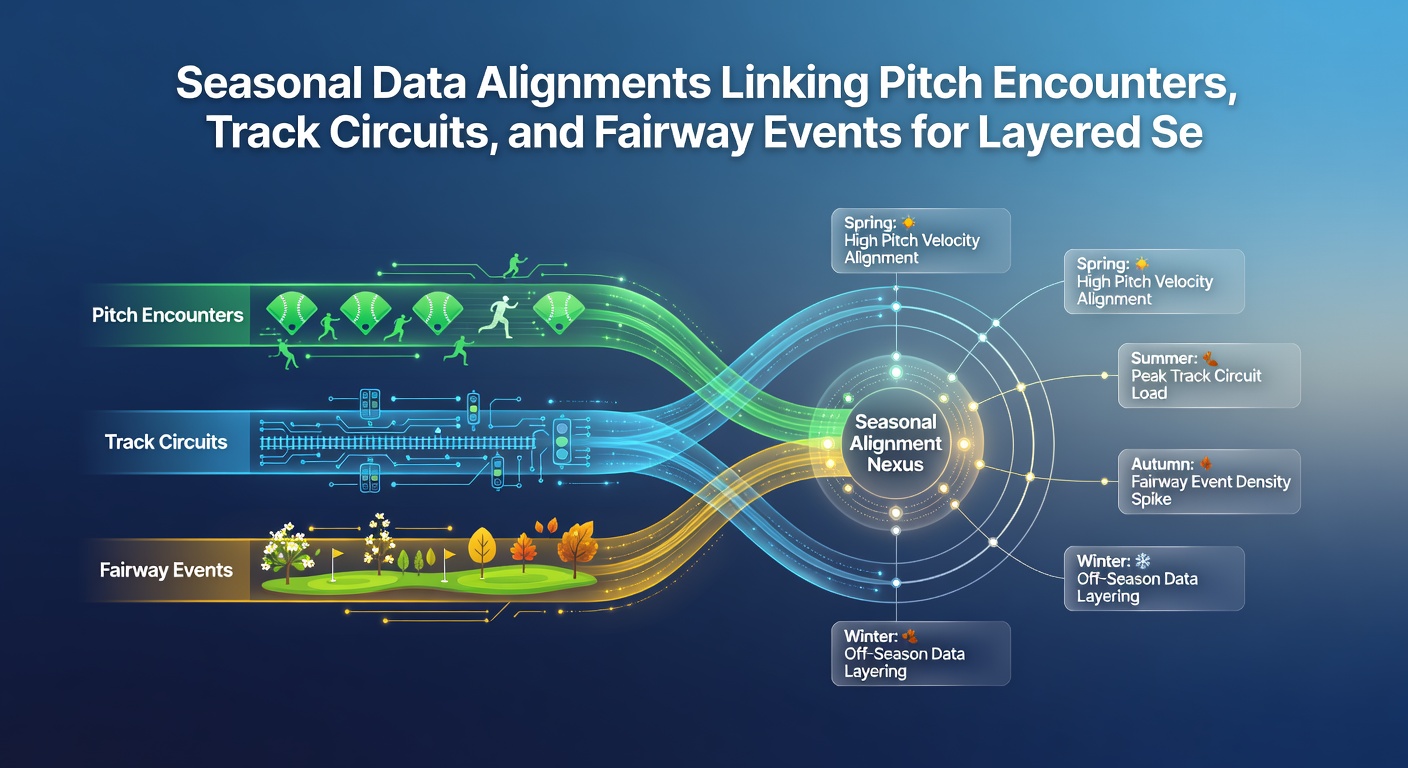
Analysts at the University of Nevada’s International Gaming Institute have published working papers that examine how multi-sport datasets improve the calibration of probability models when events cluster seasonally. Their findings indicate that incorporating golf strokes-gained data alongside horse racing speed figures can adjust implied probabilities in football markets by between two and four percentage points during overlapping weeks, though the magnitude varies by jurisdiction and sample size. The same papers note that track bias information from circuits hosting both turf and synthetic surfaces provides an additional calibration variable that aligns with fairway firmness readings at golf venues experiencing similar climatic conditions.
Practical Examples from Recent Cycles
Take the June 2022 period when the UEFA Nations League coincided with Royal Ascot and the U.S. Open at Brookline. Records from that window reveal that several football squads logging high possession percentages also posted lower expected goal values after midweek travel, while certain Ascot trainers recorded improved strike rates on drying ground that mirrored firmness changes at the golf course. Observers who aligned these variables constructed layered selections that filtered football player props first, then applied equine trainer angles, and finally overlaid golf outright probabilities. Subsequent cycles in 2023 and 2024 produced comparable alignment windows around the same dates, although the specific numerical relationships shifted with changes in squad composition and track maintenance practices.
Regulatory bodies outside the United Kingdom maintain oversight of data usage in betting products. The European Gaming and Betting Association publishes annual reports that track the adoption of multi-source analytics across member markets, while the National Council on Problem Gambling in the United States monitors how operators present layered betting options to consumers. Both organizations emphasize transparent disclosure of data sources rather than prescribing particular modeling techniques.
Technical Considerations in Cross-Sport Calibration
Building reliable layers requires attention to measurement consistency. Football tracking systems report distances covered in meters per minute, racing databases convert times to speed figures adjusted for weight and going, and golf analytics translate shot outcomes into strokes gained against field averages. Conversion tables published by data vendors allow these disparate units to feed into unified models, yet each conversion introduces its own margin of error that operators must disclose under prevailing transparency rules. June 2026 will again test these calibration routines because the simultaneous scheduling of major events across continents increases the volume of live data streams that must be normalized in real time.
Conclusion
Seasonal alignments among football pitches, racing circuits, and golf fairways supply recurring opportunities for layered selection construction when operators and analysts apply consistent filtering logic across available datasets. June 2026 offers a concentrated test case because of the overlapping international football tournament, premier racing meetings, and golf majors, and the resulting records will feed into updated calibration tables used by modeling teams worldwide. Continued publication of methodological details by academic centers and industry associations supports ongoing refinement of these multi-sport approaches without prescribing outcomes for any particular selection layer.