Cross-Sport Timing Plays: Aligning Digital Table Rewards with Tennis Breakpoints and Racing Conclusions
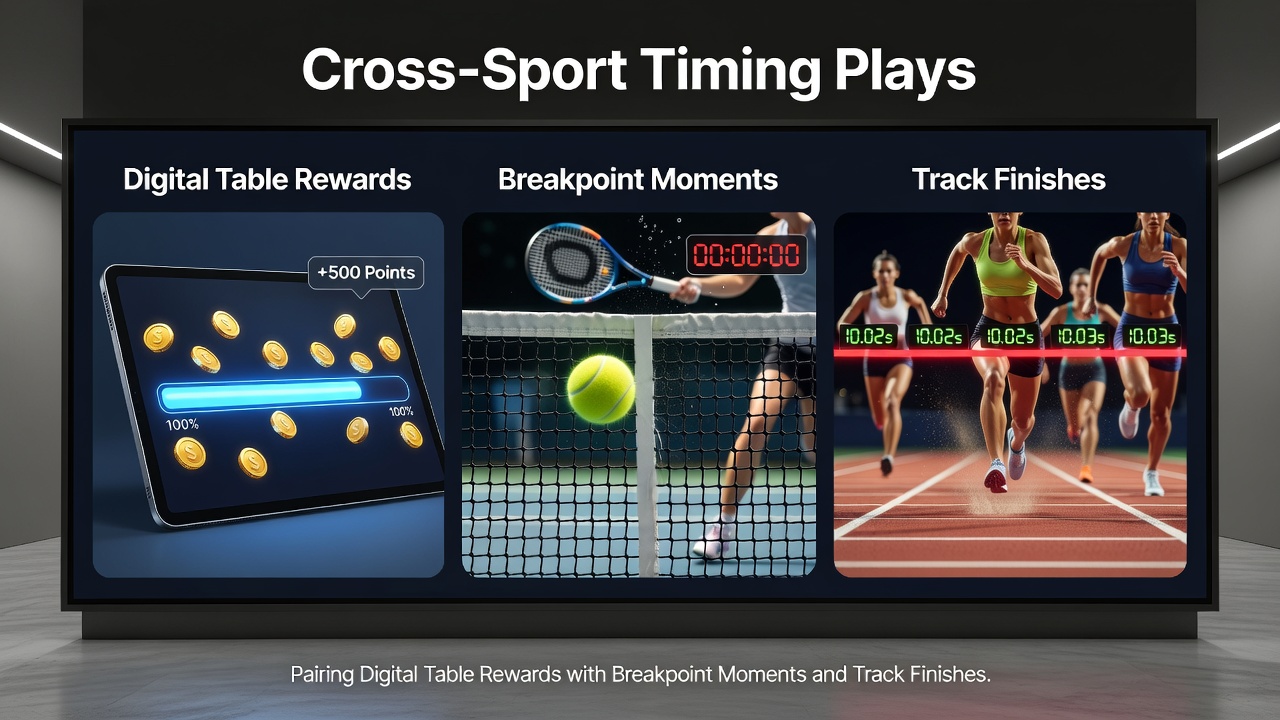
Cross-sport timing plays connect rewards from digital table games with precise moments in tennis and horse racing, creating layered opportunities that depend on synchronized event sequences rather than isolated outcomes. Observers note these approaches gain traction when participants monitor live data feeds across multiple platforms, allowing table-based incentives to activate alongside tennis breakpoints or final stretches on the track.
Digital Table Rewards in Modern Betting Ecosystems
Digital table games deliver rewards through mechanisms such as progressive multipliers, cashback triggers, and streak bonuses that activate during specific hand counts or spin sequences. Research from the University of Nevada, Reno shows these systems often tie payouts to volume thresholds reached within defined windows, which participants can align with external sporting events. Data indicates integration with live sports feeds allows table rewards to compound when a player reaches a breakpoint in tennis or approaches the final furlong in a race.
Breakpoint Moments and Their Role in Timing Strategies
Tennis breakpoints represent high-leverage points where a returner can break serve and shift match momentum. These moments occur at predictable intervals based on service games, and analysts track them through official scoring systems that update in real time. Studies reveal participants who monitor both digital table progressions and tennis scoreboards can position rewards to mature simultaneously, producing combined returns that draw from separate rule sets yet share temporal alignment.
Track Finishes as Anchor Points for Cross-Sport Coordination
Horse racing finishes provide clear endpoints measured by official photo timing systems accurate to milliseconds. When these conclusions coincide with table game reward thresholds or tennis breakpoint resolutions, the resulting overlap creates opportunities for accumulators that span casino and sports markets. Figures from the Nevada Gaming Control Board demonstrate increased activity in multi-channel accounts during major racing festivals, where finish-line data streams integrate with digital platforms.
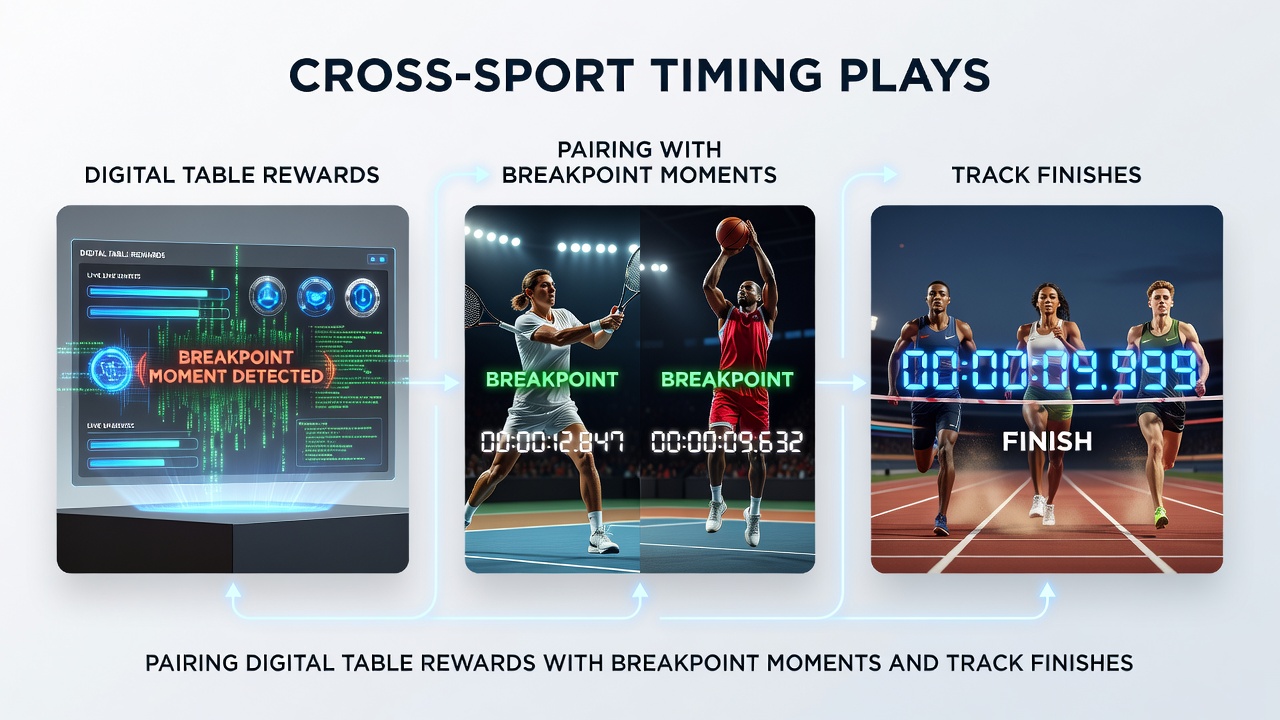
Participants often build sequences that begin with table game engagement, extend through tennis service breaks, and conclude at racing wire crossings. This structure relies on clock synchronization rather than predictive accuracy alone, and software tools now display countdown overlays that merge data from disparate sources.
Practical Alignment Methods Observed in June 2026
During June 2026, several major tennis tournaments and racing meets overlapped with casino platform promotions that reset weekly. Those who studied these calendars positioned digital table sessions to reach bonus triggers near the conclusion of key matches or races. Reports indicate such coordination produced measurable upticks in session duration across platforms, as users maintained presence on multiple interfaces until all components resolved.
Technical Requirements and Data Integration
Successful execution depends on access to low-latency feeds from both casino operators and sports data providers. Application programming interfaces deliver score updates and race results that feed into unified dashboards, allowing users to monitor table multipliers alongside tennis game points and sectional times. Industry analyses confirm that platforms offering combined views report higher retention during periods when multiple sports calendars intersect.
Regulatory Context Across Jurisdictions
Authorities in Nevada and several Australian states maintain guidelines that address simultaneous participation across gaming categories. These rules require clear separation of funds and transparent disclosure when rewards from one category influence activity in another. Compliance documentation emphasizes record-keeping that tracks timing overlaps without implying coordinated outcomes across unrelated events.
Conclusion
Cross-sport timing plays represent a data-driven method for connecting digital table rewards with tennis breakpoints and racing finishes through precise temporal alignment. Evidence from regulatory reports and academic monitoring indicates continued development of tools that support such coordination while operating within established compliance frameworks. As calendars for 2026 and beyond feature additional overlaps, these approaches rely on accurate synchronization of independent systems rather than any single predictive model.