Coordinating Break Points, Birdie Runs, and Stretch Drives for Multi-Leg Accumulators
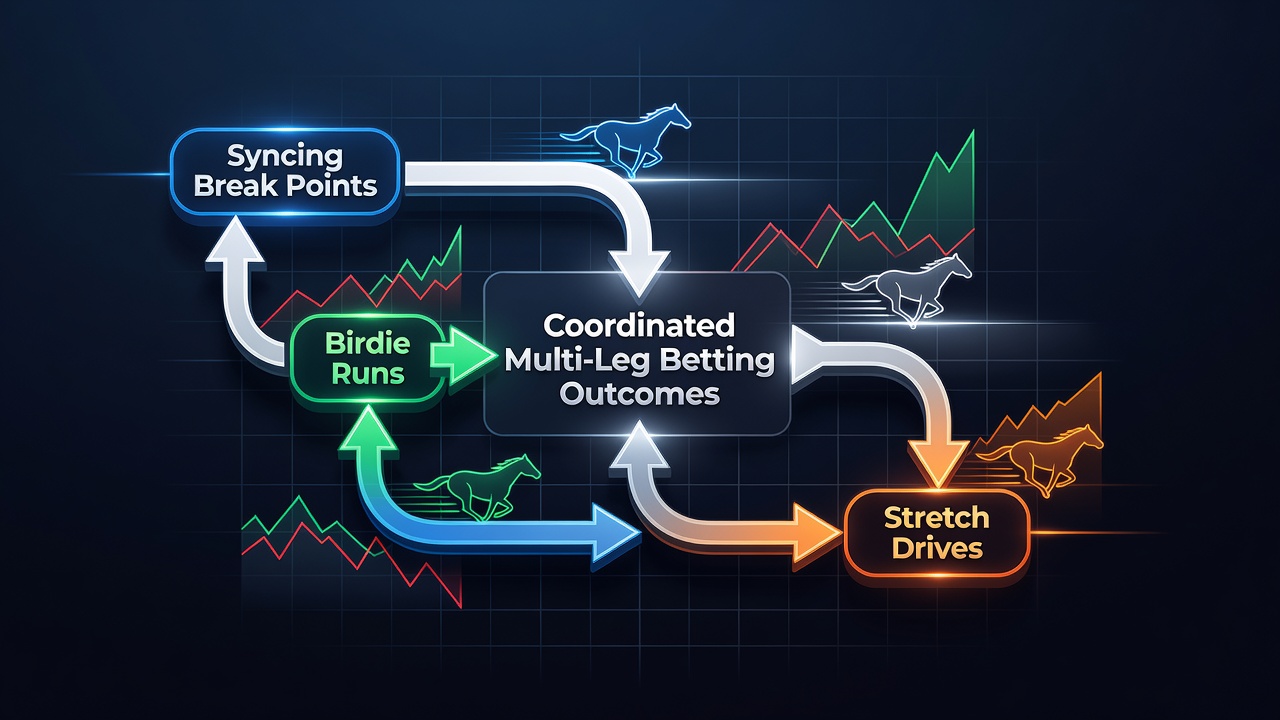
Coordinating break points in tennis with birdie runs in golf and stretch drives in horse racing creates structured opportunities within multi-leg betting formats where outcomes from separate sports align on timing and momentum shifts. Observers note that these elements share common traits in live markets since each represents a sudden change in probability that can influence accumulator legs when tracked across sessions. Data from in-play platforms shows bettors often monitor these sequences because they produce measurable adjustments in odds during active events.
Defining the Core Components in Live Markets
Break points occur when a returner holds an advantage in tennis games that can shift set momentum while birdie runs describe consecutive under-par scores in golf rounds that compress leaderboard gaps and stretch drives mark the final furlongs where horse positioning determines final results. Researchers at institutions tracking sports data have documented how each component triggers rapid recalculations by bookmakers because they represent high-impact moments that cascade into later legs. Those who study betting patterns find these sequences appear frequently in summer calendars when tennis grass-court events overlap with golf majors and prominent flat-racing fixtures.
Timing Overlaps Across Different Sports
July 2026 features multiple overlapping schedules where Wimbledon remnants extend into early-month tennis tournaments while golf events such as the Scottish Open and horse racing meets at Newmarket and Ascot provide simultaneous action. Experts tracking these calendars indicate that synchronized monitoring becomes feasible when one sport enters critical phases at the same time another sport reaches decision points. A case study from multi-sport data aggregators revealed that accumulators linking a tennis break point in the afternoon with a golf birdie streak in the evening and a horse stretch drive later that night produced coordinated payout structures when all legs cleared within narrow time windows.
Building Accumulator Legs Around Momentum Shifts
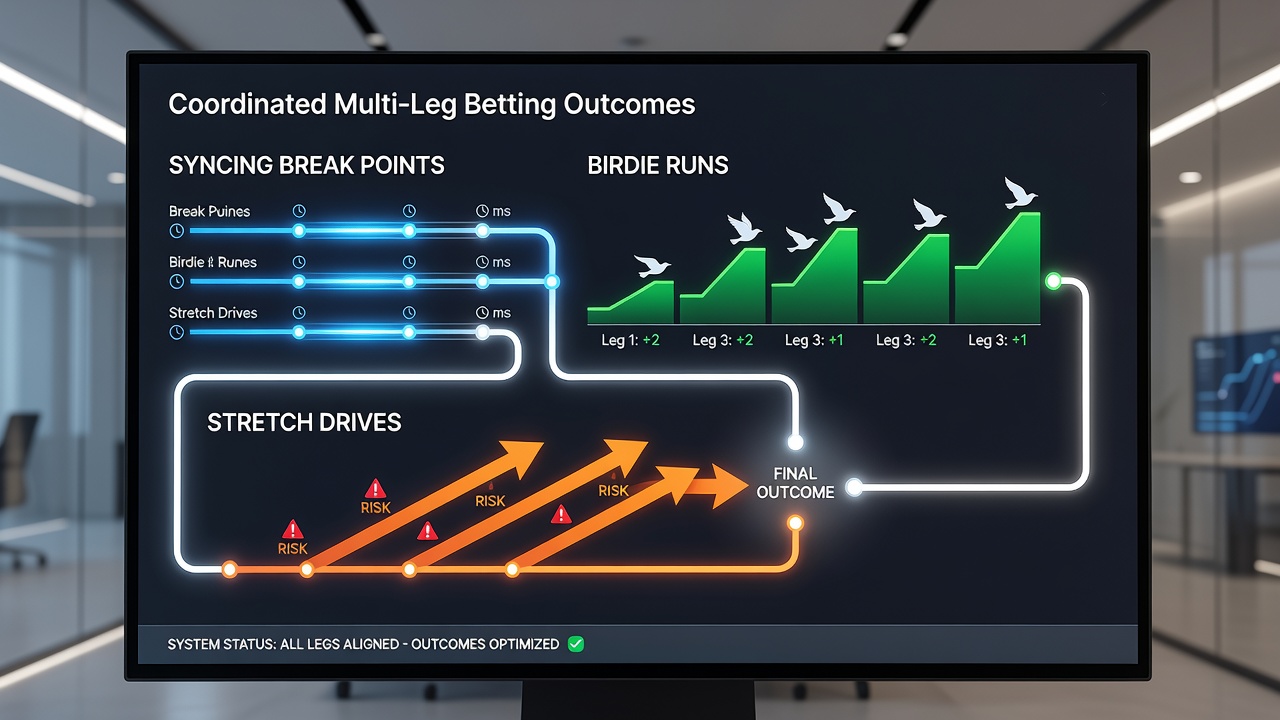
Constructing these bets requires sequencing the legs so that a confirmed break point updates the probability for subsequent selections in golf and racing. Platforms record these updates in real time and the adjustments create windows where odds reflect the momentum carry-over. Those who analyze historical data sets note that linking one confirmed break point to a run of three birdies followed by a horse gaining position in the final two hundred meters has appeared in documented accumulator records from recent seasons. The process relies on continuous monitoring because the window for placing the next leg closes quickly once the initial momentum event resolves.
Data Patterns in Cross-Sport Sequences
Figures released by the Nevada Gaming Control Board on in-play wagering volumes highlight increased activity during periods when tennis and golf events coincide with racing schedules. Similar patterns appear in reports from the Australian Gambling Research Centre where analysts tracked accumulator participation across different codes. These sources show that bettors who align the three momentum events often place the final leg after two prior confirmations because the probability updates become more predictable once the first two sequences complete. The data further indicates that July periods have produced higher volumes of such coordinated plays compared with non-overlapping months.
Practical Sequencing in Accumulator Construction
One documented approach starts with tennis because break points resolve within individual games and provide early confirmation that can inform later selections. After a break point converts, attention shifts to golf where birdie runs on consecutive holes can be verified through live scoring feeds before the final racing leg closes. Observers tracking these sequences emphasize that the order matters because earlier resolutions allow more time to assess the remaining legs without missing market deadlines. Software tools used by professional syndicates often flag these alignments automatically once the first two events register as completed.
Conclusion
Coordinating break points, birdie runs, and stretch drives within multi-leg formats depends on precise timing across concurrent sports schedules and the ability to confirm each momentum shift before placing subsequent legs. Records from multiple jurisdictions demonstrate that these sequences appear regularly during overlapping summer calendars and produce structured accumulator outcomes when monitored through live data feeds. The approach remains grounded in observable market adjustments rather than prediction and continues to feature in documented betting activity wherever the three sports run simultaneously.